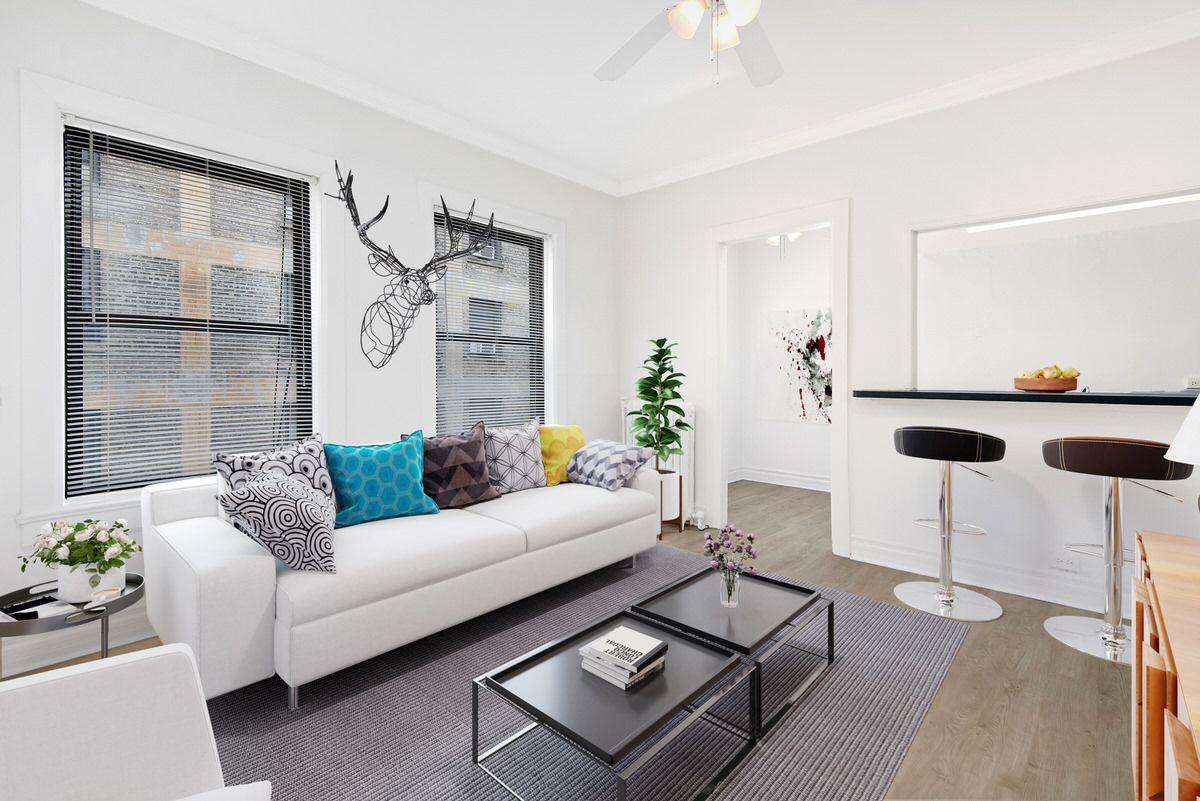
Lincoln Park sits at the intersection of genuine residential character and urban convenience in a way that few North Side neighborhoods match. But renting here comes with specific realities worth understanding before you sign a lease. This guide gives you an honest picture of the neighborhood, the rental market, and what daily life looks like so your decision holds up after move-in day.
How Lincoln Park’s Geography Affects Your Apartment Search
Lincoln Park is larger than most people expect. It stretches from Diversey Parkway in the north to North Avenue in the south, and the character of the neighborhood shifts meaningfully depending on where within it you land.
The eastern corridor near the park and lakefront is more residential. Streets like Fullerton Parkway and Belden Avenue are lined with vintage greystones, tree canopies, and a pace that feels unhurried. Moving west toward Clark and Halsted, the energy shifts toward dense commercial activity with restaurants, bars, retail, and foot traffic. Neither is better, but they feel like different neighborhoods, and knowing which you want before you tour saves time.
What Renters Find in Lincoln Park’s Rental Market
Lincoln Park’s rental inventory runs from vintage walkup apartments in greystone courtyard buildings to mid-rise developments with doorstaff and full amenity packages. That variety accommodates a wide range of preferences without forcing location compromises.
Studios and one-bedrooms move quickly, especially in spring and early summer when Chicago’s rental market peaks. Searching between January and March tends to produce more availability and more flexibility on lease terms. Understanding Chicago’s lease start dates before you begin helps you plan around the market rather than against it.
Vintage Buildings vs. Modern Mid-Rises: Which Is Right for You
Lincoln Park has more vintage residential buildings per block than almost any other Chicago neighborhood. Built largely between the 1890s and 1930s, these greystones and courtyard buildings often offer larger floor plans than newer construction, with hardwood floors, bay windows, and high ceilings.
The tradeoffs are worth knowing in advance:
- In-unit laundry is uncommon in vintage buildings; shared laundry rooms are the norm
- Central air conditioning is not universal; window units are common during Chicago summers
- Parking is rarely included and typically requires a separate monthly arrangement
Modern mid-rise buildings offer fitness centers, rooftop decks, in-unit laundry, and controlled access. They tend to command higher rents and offer less square footage per dollar, but provide a consistency of experience that appeals to renters who want predictable building management. Knowing which type fits your priorities before you tour will save you significant time.
Daily Life in Lincoln Park: What the Neighborhood Delivers
Lincoln Park is a very walkable neighborhood. Most daily routines including groceries, dining, fitness, and entertainment are manageable on foot or by bicycle for residents across most of the neighborhood.
The park itself is the defining daily amenity. Lincoln Park, the green space the neighborhood is named for, runs along the lakefront for miles and includes:
- Walking and cycling paths along the lakefront trail
- The Lincoln Park Zoo and Nature Boardwalk
- Oz Park
- Beach access at North Avenue Beach and Fullerton Avenue Beach
For renters who walk, run, or cycle regularly, proximity to this system transforms daily routines in ways that are hard to replicate in other neighborhoods.
The commercial corridors along Clark, Halsted, and Armitage offer a strong dining scene across cuisine types and price points. Grocery access is solid throughout most of the neighborhood.
How to Commute From a Lincoln Park Apartment
The Red Line’s Fullerton and Armitage stops provide direct downtown access in roughly fifteen to twenty minutes. The Brown and Purple Lines also stop at both stations, offering additional routing options.
A few practical notes worth knowing:
- The Red Line runs overnight; the Brown and Purple Lines do not. If your schedule regularly requires transit before 5 AM or after midnight, Red Line proximity matters more than general CTA access.
- Bus service on Clark, Halsted, Diversey, and Fullerton extends coverage across parts of the neighborhood not directly on the L.
- The lakefront trail is a practical cycling commute route for residents near the park, with a twenty to twenty-five minute ride to the Loop under reasonable conditions.
Living close to public transit makes a measurable difference in how sustainable a daily routine feels over time, and Lincoln Park’s transit options are among the stronger ones on the North Side.
Parking, Leases, and Pet Policies: What to Ask Before Signing
Street parking is permit-regulated and competitive throughout Lincoln Park, particularly between May and September when the park and beaches draw visitors from across the city. If you own a car, confirm your building’s parking arrangement before signing. Off-site monthly parking typically runs between $150 and $250 per month depending on location.
Pet policies vary significantly by building. Vintage buildings tend to have stricter restrictions than larger managed properties. Confirm the specific policy before touring rather than after falling in love with a unit.
Find Your Lincoln Park Apartment With PPM
PPM has offered apartments in Lincoln Park for decades, with a portfolio that includes both vintage residential buildings and updated properties across the neighborhood. Browse Lincoln Park apartments from PPM to compare available units and building features, and reach out to the leasing team to schedule a tour.


